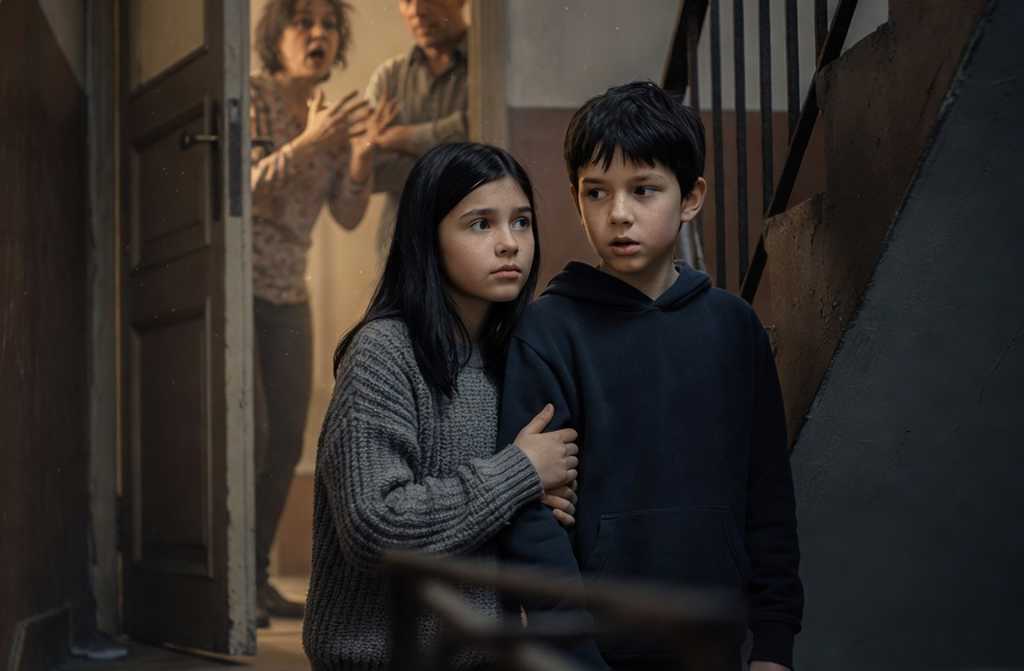
Looking back now from the distance of many years, the memory of those turbulent days in a Kraków apartment block still surfaces vividly, as if the echoes of conflict linger in the stairwell. „What is wrong with you this time?! How long must this go on?! I cannot bear any more of it!” the woman’s voice carried through the entire entrance.
At that moment Zuzanna and Mateusz were climbing the stairs. They halted abruptly, as though struck by an unseen obstacle. Their eyes met briefly, and in that fleeting glance words proved unnecessary. Both grasped the situation in silence: leaving was wiser now. Exhaling together, they turned and slipped away from the building without a sound. Returning to the apartment that evening was clearly not in their plans.
Who would choose to spend the evening amid endless parental disputes? Not these two, for certain! The pair strode purposefully toward the next entrance, where their grandmother Zofia lived. Her flat had grown into a genuine refuge over time. Where once they visited only on weekends, they now sought shelter there nearly every night.
The mood in the family home had long since become intolerable. The parents, seemingly oblivious to all else, yelled at one another without pause. Worst of all, they increasingly pulled the children into their clashes.
At times the mother would whirl toward her daughter and insist: „Say it, am I correct? You side with me, yes?”
At other times the father would address his son without awaiting reply: „No, I am right in this! Affirm it!”
Zuzanna and Mateusz stayed quiet. They had no wish to pick sides or join the unending strife. All they sought was stillness, ease, and comfort, the very things they discovered at their grandmother’s.
Scenes like these unfolded daily, much like a scratched record that no one dared halt. The young ones had grown skilled at spotting faint warnings: the quarrel was imminent. Through voice pitch, abrupt gestures, or exchanged looks, everything signaled the moment to depart. Few children relish constant strain, where any talk can erupt into uproar without warning.
The pair could not fathom what had sparked this upheaval. Their family had never matched those in advertisements, yet earlier the parents had managed to reach understandings. Disputes arose, naturally, but concluded not in shouts but measured discussions. Mother might scowl, father might raise his tone slightly, yet within half an hour matters settled. All would gather at the table once more, sip tea, and plan weekend outings.
Roughly two years prior everything shifted. It was as though someone had quietly substituted the former parents with versions who quarreled over trivial matters. A dirty mug left on the table? Fuel for a lengthy lecture on carelessness and disrespect. A shirt placed on the wrong hook? Cause for biting comments about household order. A spoon abandoned in the sink? Nearly an offense meriting prolonged examination.
One evening Zuzanna sat at her grandmother’s kitchen table, absently stirring her tea. She remained silent for some time, observing the amber swirls, then asked with bitterness: „How did it come to this, grandma? Everything altered after their shared holiday. What took place there?”
Zofia paused, set her cup down, and lightly touched Zuzanna’s arm. She too only suspected the roots of the discord, and those suspicions brought her no joy.
„Adults will resolve it themselves,” she answered gently, striving for a steady tone. „People sometimes require time to decide the best path.”
Zuzanna nodded, yet doubt lingered in her gaze. She sensed her grandmother withheld something but pressed no further. What use? While viewed as a child, nothing substantial would be shared.
„We cannot endure these shouts any longer!” Mateusz cried out in desperation. „Homework cannot be completed properly, nor a book read! I scarcely recall the last time we sat together as a family at the table. If being together burdens them so, let them separate, and relief will come to all!”
The words escaped unbidden, yet held the truth of recent months. Mateusz voiced what his sister also felt. Their home had lacked calm for ages: mother would speak sharply, father would reply irritably, and another clash would erupt with no escape.
„Mateusz,” grandmother faltered. She set aside her knitting, regarded her grandson closely, and shook her head slowly. „Have you considered what follows if they separate? You would be divided. Are you prepared to live apart from Zuzanna?”
„We shall live with you!” Zuzanna declared at once, her eyes pleading. „We spend nearly all our time here already! You would not object?”
Zofia grew still. She understood the grandchildren’s distress, seeing their exhaustion from perpetual arguments. On one side, the children would indeed remain secure here, in a tranquil setting where lessons could proceed without noise, books read in peace, and protection felt. She cherished them deeply and stood ready to offer every care.
On the other side, what of the parents? How to explain the children’s reluctance to stay home? Would they accept such an arrangement? If so, how might it shape bonds with the children? Could this step lead to a final rupture?
„Let us avoid haste,” the woman said after a deep breath. „You know I welcome you here always. Yet first let us speak with your mother and father. Perhaps together we can mend matters.”
„Do not fret, we shall speak with them ourselves,” Zuzanna stated with assurance, smiling. Grandmother had nearly consented, and that mattered most. „Only do not refuse us! We truly cannot remain there. Separation would suit them better, or one day harm might truly occur. I saw father raise his hand toward mother yesterday. He did not strike, truly, yet stood on the brink.”
Zuzanna fell quiet, recalling the dreadful instant. She had entered the kitchen for water and paused at the threshold: father half-turned to mother, arm lifted sharply, mother instinctively bending low. Father lowered it seconds later, yet that moment stretched endlessly for her.
„Grandma, please agree!” Mateusz urged his sister. He drew nearer, grasped grandmother’s hand as though fearing refusal. „We shall assist with all household tasks. Simply do not send us back. They notice us no longer. Yesterday I told father of the parent meeting. Know his reply? 'Ask your mother!’ So I did. Guess her words?”
„Ask your father?” Zofia inquired softly, already aware.
„Precisely!” Mateusz gave a bitter laugh. „Then they debated two more hours over who would attend. Seated in separate rooms, they shouted across the hall while I stood listening.”
„I requested a signature for the museum trip permission,” Zuzanna added, eyes lowered, fingers twisting her sleeve edge. „Now I alone in class will miss it. Neither signed. Instead fresh arguments arose, mother claiming it father’s duty, father insisting mother handle school affairs.”
Zofia observed the pair and recognized their deep weariness. Their eyes held not youthful tiredness but the accumulated kind from months of sameness, family warmth replaced by constant clashes, support by indifference.
„It is ever thus,” Mateusz sighed, shoulders slumping. His voice carried fatigue, as though repeated countless times. „Every appeal from us sparks new strife. We dread returning home. Days ago we arrived near midnight, yet no scolding came. They merely sent us to bed without inquiry. Later they blamed one another for poor child-rearing at length.”
The teenagers sighed together once more. In recent months they had weighed divorce as the sole escape. Yet separation from each other terrified them, an inevitable outcome. One would remain with mother, the other with father, closeness reduced to occasional weekend visits.
They weighed choices in hushed evening talks alone in their room. Once Mateusz jestingly proposed fleeing, simply packing bags and departing without destination. He spoke with a smile to ease tension, yet Zuzanna took it earnestly. Her eyes brightened briefly before she murmured: „What if we truly left? Even for a few days.” In that instant both realized the family strain had grown so severe that escape seemed almost sensible.
Then inspiration struck: grandmother! Why not relocate there? The notion formed simultaneously, as though shared thought. Zuzanna voiced it first: „Let us ask grandmother to house us? She would never argue or shout. We would avoid these endless rows.” Mateusz added swiftly: „Yes! She is kind and always aids us. Her flat is ample, space enough for both.”
They pictured the new existence mentally: unhurried mornings, quiet study time, evenings with board games beside grandmother. No shouting, no accusations, no hiding to evade outbursts. Hope stirred in their hearts after so long. Let parents manage their own affairs; the young ones would gain peace at last.
„Mother, father, we must discuss something important,” the twins declared resolutely before their parents. They had awaited an evening when both were present and entered the living room decisively. Zuzanna gripped Mateusz’s hand firmly for steadiness. „First, promise to hear us fully before replying.”
Paweł set aside his phone and glanced up, startled. Dorota, arranging items on the sofa, straightened abruptly. Her face showed disbelief at the children’s words.
„This stems from your rearing!” she huffed, arms folded. „Children now dictate terms, as though we must answer to them!”
„Who speaks!” the man snapped, discarding the phone. „I labor constantly to sustain the family. You stayed with them always! What did you teach? Why do they now command?”
The twins met glances. They had foreseen this turn, the talk veering into familiar accusations. Yet retreat was impossible.
„Enough!” Zuzanna cried, voice near tears. She stepped forward, aiming for clear calm despite inner tremor. „Mateusz and I concluded you must divorce.”
Silence fell at once. Dorota gaped, while Paweł rose slowly from the sofa.
„Such tidings!” the mothers tone turned ominous. „Zuzanna, you remain too young to advise adults on living! What else have you 'decided’? Perhaps divide our flat too?”
„Should you refuse divorce, we shall contact child protection authorities,” Mateusz pressed his sister’s hand for resolve. His words sounded steady, though he doubted his own seriousness. „Then, father, your position may be lost. Your firm dislikes scandals, correct? You noted reputation matters above all.”
„And you, mother,” Zuzanna continued, meeting her gaze directly, „will lose neighbors’ respect. None will speak with you! All know your shouting, and we can supply more!”
„They threaten us! Behold them!” Dorota burst out, glancing between them. „Our own children! How dare you act thus?”
„We issue no threats,” Mateusz said quietly yet firmly. „We wish only that you grasp this life cannot continue. We are weary! Weary of shouts, of being unheard, of simple requests sparking rows.”
„You shall divorce and separate, while we reside with grandmother,” the twins concluded together, as rehearsed. „This benefits all: calm for us, fewer conflicts for you. We refuse to stand between you like caught in crossfire.”
Parents stood motionless. For once no reply came. Normally they would argue, interrupt, assign blame, yet now both seemed struck dumb.
Their thirteen-year-old children acted unlike before! Zuzanna and Mateusz stood united, hands clasped, facing parents with resolve absent prior shyness. They addressed grave matters adults themselves avoided.
The couple had pondered divorce repeatedly. Always the same barrier halted them: with whom would the children remain? Dividing twins felt unthinkable; they shared profound closeness, doing all together and supporting mutually. Parents could not envision separating them into different homes, meeting only weekends.
The grandmother option had never occurred earlier. Perhaps absorption in mutual grievances prevented it. Hearing the proposal now, Paweł and Dorota wondered if this offered a path. Grandmother adored the young ones, her flat spacious, visits always welcome. Might this ease part of the burden?
„I shall telephone my mother,” Paweł muttered at last. Words came heavily. „Should she consent.”
Dorota cut in sharply, fatigue in her voice surprising even herself: „Then we cease tormenting one another. Call. I shall rejoice at seeing your face no daily.”
Her words hung. She had not intended sharpness, yet years of accumulated hurts released them.
„And how I shall rejoice!” Paweł replied, masking pain with irony.
No anger colored his tone, merely bitter amusement at their altered life. He retrieved his phone and dialed slowly. During rings, both looked aside, avoiding eyes. They knew not the outcome, yet sensed a threshold might have been crossed.
That day the Wiśniewski family reached a pivotal choice. It began with Paweł’s extended talk with his mother. Zofia listened without interruption, asking details sparingly.
Once Paweł finished, silence held. Grandmother breathed deeply and spoke: „If both see this aids the children most, I consent. They shall stay safe here; I shall watch over them.”
By evening the spouses met in the kitchen, free of shouts or reproaches for the first time in ages. They sat facing each other, discussing particulars. Step by step they agreed: divorce alone offered sensible resolution. The children would move to grandmother, parents sending monthly sums in Polish zlotys for their support.
Neither intended to abandon them. Father and mother vowed weekend visits on alternate days to limit their own contact.
„I shall arrive Saturday mornings to take them walking, you on Sundays,” Paweł said wearily, his wife nodding agreement. „This simplifies matters. Chiefly, the children must not feel forsaken.”
Their aim remained minimizing contact to prevent fresh clashes. They pledged against discussing one another before the children, avoiding pulling sides or airing disputes in their presence.
„We remain their parents,” Paweł noted. „And must continue as such, even without marriage.”
Time proved the choice sound. The children relaxed at last, living as typical teenagers. Zuzanna joined a drawing circle, long desired yet previously impossible amid worries. Mateusz took up football, gaining teammates. They resumed shared time: city walks, cinema outings, school talks without fear of sudden rows.
Study stability returned too. A quiet space for work emerged, free of shouts. Homework proceeded calmly, grades improving swiftly. Teachers observed: „Such focus now, you two! Maintain it!”
Life settled into a new rhythm, imperfect yet steady and foreseeable. No more hiding, flinching at voices, or fretting each step. They lived simply, as adolescents should when finding support amid hardship.
Five years on, the Wiśniewski household moved at an even pace. Zuzanna and Mateusz had adjusted to the routine: lessons, activities, friend gatherings, cozy evenings with grandmother. Parents visited alternately, each on appointed days with gifts and care, yet no claims. They had mastered restrained, courteous exchange without old angers.
First direct meeting of former spouses came at the twins’ graduation celebration. The school hosted a formal evening; both attended. Initially cautious, they sat apart, yet tension eased gradually.
During dances Paweł approached Dorota: „Shall we dance? Recall earlier times.”
She delayed, then agreed.
Afterward they sat long in the schoolyard, watching graduates by the fountain. Talk arose naturally, first on children, then past.
They conversed much, recalling marriage joys and acting properly. Focus stayed on past good rather than old hurts. From afar the twins watched, quietly glad, though pained to see closest kin treat each other as foes.
Then came unforeseen reversal. Next day Paweł and Dorota invited the children to a café. Over tea they clasped hands, and Paweł smiled broadly: „We have decided to wed again. These years showed our feelings endure! We love each other still and seek to reunite as family.”
Joy filled his voice, as sharing life’s greatest news. Dorota glowed, anticipating delight.
The twins glanced at one another, faces clouding. Distrust flashed in Zuzanna’s eyes; Mateusz tightened fists beneath the table. The same errors again! What thoughts occupied their parents? Could they coexist without strife?
„You mean this seriously?” Zuzanna managed.
„Completely,” Paweł affirmed. „We changed. Learned mutual listening. We desire another chance for our family.”
Silence held. Conflicting emotions stirred: belief in possible change warred with dread of repeated pain.
Yet Zuzanna and Mateusz offered no dissuasion. They commented not at all, deeply wounding parents. Dorota regarded them bewildered: „Are you not pleased? We expected happiness for us.”
Twins merely shrugged. What reply fit? „Do not! Ruin not your lives”? Words lodged. They avoided seeming heartless, yet could not feign joy.
Conversation faltered till end. Parents outlined plans; children nodded politely, minds elsewhere. Homeward Zuzanna whispered: „I hope they know their course.”
Mateusz sighed only.
„So we head to Warsaw?” Zuzanna opened her laptop to scan university sites. „Farther from this folly. I foresee the circus outcome!”
„We go, without doubt,” Mateusz replied firmly, voice carrying grown weariness. He smoothed his hair, shedding recent burdens. „They will manage peace a month, two at most. Then repetition: shouts, slamming, blame. I refuse hostage status in their bond. No more guessing morning moods or awaiting claims’ target.”
He rose, pacing while gathering books. One thought circled: why do adults, meant as wisdom’s model, act as erratic youths? Why repeat errors instead of resolving?
„We must depart,” he repeated at the window. Dusk fell outside, tinting Kraków softly orange. Mateusz gazed afar, seeking his future. „Distant enough their rows cannot reach. Let them handle alone. We cease as their counselors, go-betweens, or targets. Our life and dreams exist; I shall not let another parental storm destroy them.”
„When submit applications?” Zuzanna asked evenly.
„Tomorrow,” Mateusz said without pause. „To prevent second thoughts.”
She nodded silently, eyes on the screen. Warsaw university pages scrolled: programs, dorms, job outlooks studied for a week. Her notebook listed pros, cons, documents, deadlines, contacts.
„Mainly study undisturbed by their matters,” she murmured, concluding thoughts. „Fortunate we shall be distant.”
„Indeed,” Mateusz agreed, settling beside her. He leaned in, scanning text. „When they resume blame, we shall hear nothing. Let calls, complaints, or 'family councils’ come; we withdraw. Their wish for 'another chance’ is theirs alone.”
Dorota and Paweł held the second wedding regardless. They chose no grand event: avoiding excess cost, attention, or need for spectacle. A simple registry office rite and intimate dinner with closest kin sufficed.
Photographs showed true happiness: smiles, clasped hands, tender looks. Intertwined fingers and soft gazes filled frames. Grievances seemed forgotten, separation beneficial, future assured. Children viewing them wondered if this time differed.
Yet no. Initial post-wedding weeks stayed peaceful: attentiveness grew, thanks increased, trifles ignored. Old patterns returned gradually. After a month raised voices resumed. First came quiet barbs: „You left mess again?” „Why no warning of delay?” „Help, since home.”
Open clashes followed. Rows over nothings: wet towels, forgotten bread, loud television. Words sharpened, voices rose, intervals shortened.
After two months, as Mateusz foresaw, tension peaked. One evening a groceries dispute became tempest. Paweł hurled a cup at the wall in fury; it shattered loudly, fragments scattering. Dorota seized and flung a plate to the floor. Breaking sounds resounded.
Thereafter parents always phoned the children. Each call began identically: dialing mid-breath, unloading grievances.
„Can you imagine his words today?” Dorota wept to Zuzanna. „He tries not at all to understand!”
„Son, grasp my side; she lacks control,” Paweł told Mateusz agitatedly. „I strive, yet she seeks cause!”
Zuzanna and Mateusz had mastered gentle interruption. No longer did they engage long or judge right and wrong. Replies stayed brief, resolute.
„Mother, class now; later I call,” Zuzanna said calmly, eyeing the clock though twenty minutes remained before lecture.
„Father, urgent work; weekend discussion,” Mateusz answered, focused on screen. He knew allowing full vent would extend an hour, plus calming afterward.
„Later” and „weekend” always deferred. Excuses arose: studies, jobs, friends. Calls dwindled. No guilt followed; they guarded nerves and hours, knowing change lay beyond them.
Twins possessed their own existence, full and purposeful, removed from parental storms. Days comprised personal cares, interests, plans, not awaiting next clash.
Zuzanna delved into psychology. She enjoyed exploring the soul’s workings, motives, aid for the troubled. Third year brought volunteering at a troubled-youth center. She led groups, aiding expression and solutions. In those teens she saw her past echoes, offering the attention and hearing once missing for her.
Mateusz pursued IT. Programming captivated from early years: code’s logic, system creation, complex solutions. Hours at screens, new languages, student events followed. Fourth year his team placed third regionally in app development, boosting confidence and direction. Part-time at a small firm came; he proved reliable, learning collaboration, time management, unconventional fixes.
They planned futures free of parental shadows. Zuzanna envisioned her practice aiding family harmony. Mateusz considered business. Over café tea they debated, sketched, noted ideas. In those hours support, path, and ownership felt real.
When Dorota and Paweł again drew them in, calling tearfully over woes and mutual incomprehension, twins replied calmly, firmly. Advance discussion shaped their approach, avoiding mediator relapse.
„Enough, dear parents; resolve alone,” Zuzanna stated. „Your life is yours, ours ours.”
„Yet our children!” Dorota sobbed. „Support us!”
„Had you acted as adults, not children, support would come,” Mateusz countered. „Remarriage erred; torment continues. Coexistence fails, so why persist? Divorce and separate already.”
Such words might seem harsh, yet the brother and sister sought only calm existence.