
April12,2026
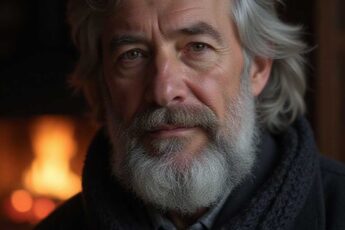
The day we laid my dear Margaret to rest the rain fell in a thin, mournful drizzle. My little black umbrella could not shield the emptiness that had settled in my chest. I held a sprig of lavender, stared down at the freshly turned earthstill damp and trembling beneath my fingertips. My companion of nearly forty years, John, had become nothing more than a cold patch of soil.
The funeral was over before I could linger in my grief. My eldest son, Edward, whom John had trusted implicitly, seized the house keys without a moments hesitation. Years earlier, when John was still in good health, he had said, Were growing old, lets put everything in Edwards name. If its all his, hell take responsibility. I never objected. What parent doesnt love his child? So the deed, the title, every document was transferred to Edwards name.
A week after the service, Edward asked me to accompany him on a short drive. I never imagined that ride would feel like a knife through the heart. The car pulled up on the outskirts of Manchester, beside a modest bus shelter. Edwards voice was as cold as the damp air:
Get out here. Your wife and I can no longer look after you. From now on youll have to fend for yourself.
My ears rang, my vision blurred. I thought Id misheard, but his stare was unwavering, as though he wanted to push me away then and there. I found myself sitting by the roadside, next to a small offlicence, clutching a single bag of clothes. The house where I had raised my children, tended to John, and built a life, was now Edwards. I had no right to return.
People often say, When you lose your husband, you still have your children. Yet sometimes children feel no different from strangers. My own son had cast me into a corner. He didnt know one thing, though: I was not wholly destitute. Tucked away in my pocket was an old bank ledger containing the savings John and I had amassed over a lifetimeroughly £300,000. We had hidden it from our children and everyone else. John used to mutter, People are only kind to you while you have something in your pocket.
That day I kept my mouth shut. I wouldnt beg, I wouldnt reveal my secret. I wanted to see how Edward and life would treat me.
The first night, abandoned and shivering, I sought refuge under the awning of a tiny tea stall. The proprietor, Aunt Lottie, took pity on me and offered a steaming cup. When I told her about Johns death and my childrens abandonment, she sighed:
Its a sad world, love. Some children value a pound more than they value a parent.
I rented a modest room in a boarding house, paying with the interest from my account. I was careful never to let anyone know of my fortune. I lived plainly: secondhand clothes, cheap loaves of bread and beans, and I kept a low profile.
Many evenings I curled up on the creaky wooden bed, recalling the old house, the hum of the ceiling fan, the scent of Johns spiced tea. The memories hurt, yet I reminded myself that as long as I breathed, I had to keep moving forward.
Gradually I adjusted to my new circumstances. By day I begged for odd jobs at the marketwashing vegetables, loading crates, wrapping parcels. The pay was meagre, but I didnt mind. I wanted to stand on my own two feet, not rely on charity. The stallholders started calling me Mrs. Harper. They never guessed that each night, after the stalls closed, I would slip back to my rented room, open the ledger, glance at the sum, then lock it away again. That concealed nest egg was my lifeline.
One afternoon I ran into an old school friend, Mrs. Clarke. Upon seeing me in the boarding house, I explained Johns passing and how life had turned rough. She felt sorry for me and offered a position in her familys roadside diner. I accepted. The work was hard, but it came with meals and a roof over my headand it gave me another reason to keep my savings hidden.
Meanwhile, news of Edward filtered through the town. He lived with his wife and children in a spacious suburb, had bought a new car, and spent his evenings at the local betting shop. A neighbour whispered, Hes probably pawned the familys land already. I listened with a heavy heart but made no contact. He had left his mother at a bus stop; I had nothing more to say.
One evening, while polishing counters at the diner, a sharply dressed stranger approached me. I recognised him as one of Edwards drinking buddies. He stared at me and asked,
Are you Edwards mother?
I nodded cautiously. He leaned closer, his voice heavy with pressure:
He owes millions. Hes hiding now. If you still love him, help him out.
I felt a chill run through me. I forced a thin smile and replied,
Im penniless now. I have nothing left to give.
He stormed off, but his words lingered. I loved my son, yet his abandonment cut deep. Was his punishment fair?
Months later Edward returned, gaunt, eyes rimmed with red, collapsing to his knees as he saw me.
Mother, Ive been a fool. Im ruined. Please, save me once more. If not, my whole family will fall apart.
My heart hammered. I recalled the nights I wept in silence, the moment he deserted me, and Johns dying words: Whatever happens, he remains my son. I stayed silent for a long while, then entered my room, retrieved the ledger, and laid it before Edward. My gaze was calm, my voice steady:
This is the money John and I saved all our lives. I hid it because I feared you wouldnt value it. Im giving it to you now, but remember: if you ever trample on a mothers love again, no amount of money will ever let you hold your head up with dignity.
He clutched the papers, tears streaming down his face as if the rain itself were falling inside him.
Perhaps he will change; perhaps not. What I know is that, as a father, I have finally honoured my last duty. And the secret of that savings account has finally seen the light of day, just when it was needed most.
**Lesson:** Money can mend wounds, but it can never replace the respect owed to those who raised us.